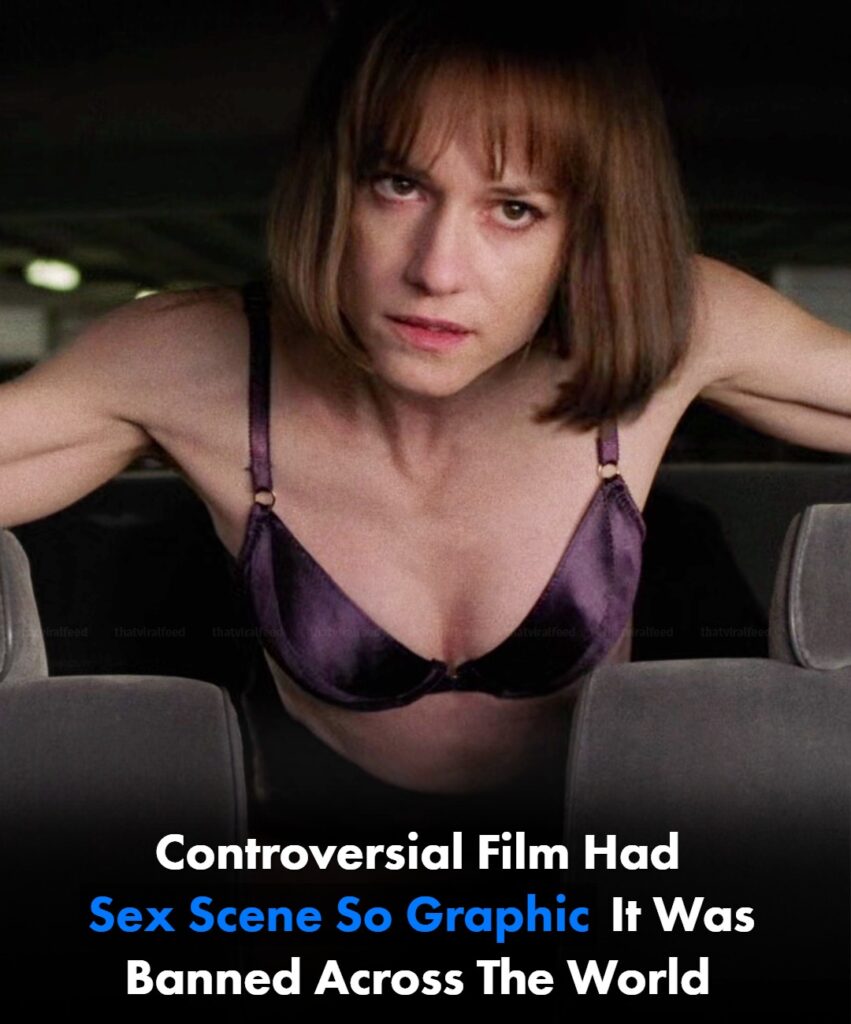
David Cronenberg’s 1996 film became one of cinema’s most debated releases after its graphic scenes caused backlash at Cannes and beyond.
David Cronenberg has built much of his career around films that make people uncomfortable, and one of his most controversial works pushed that reputation even further.
The Canadian director, long linked with body horror and stories about obsession, technology, and damaged bodies, shocked audiences with a 1996 movie that many viewers found hard to sit through.
The reaction became even louder after the film was shown at the Cannes Film Festival, where it won a Special Jury Prize but was also met with boos from some people in the audience.
The film was adapted from J.G. Ballard’s 1973 novel of the same name, which was already known for its disturbing look at sex, injury, cars, and modern desire.
Cronenberg’s version did not soften that idea for the screen. Instead, it leaned into the cold, strange tone of the book and turned the story into something that felt both clinical and deeply unsettling.
Years later, Cronenberg said Francis Ford Coppola, the legendary filmmaker behind The Godfather, was one of the people who stood in the way of the film winning the Palme d’Or at Cannes. The film still walked away with a major prize, but the response around it was far from calm.
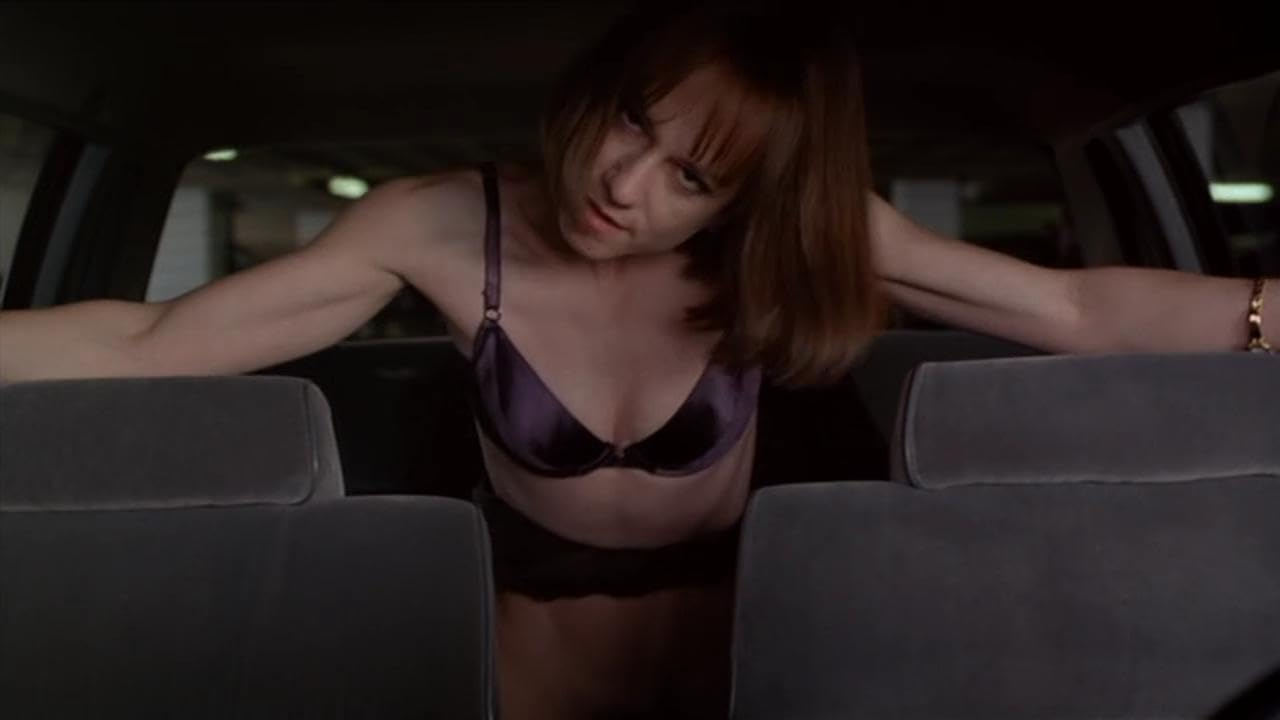
Credit: New Line Cinema
The anger around the film did not end once Cannes was over.
In the UK, The Daily Mail, a newspaper known for its conservative stance, launched a campaign calling for the movie to be banned from cinemas altogether.
The debate quickly turned into more than a simple argument about taste. It became a wider row about censorship, sex on screen, and whether adults should be allowed to watch difficult films without newspapers or councils deciding for them.
Despite the pressure, the British Board of Film Classification eventually approved the movie for release without cuts, giving it an 18 rating after reviewing the material.
The BBFC describes the film as a drama about a car crash victim who becomes involved with an underground group that fetishizes accidents, and lists strong sex, sex references, and nudity among its content issues.
Even so, Westminster Council chose to block the film from being shown in parts of London, while some theater managers elsewhere, including in Ohio and Norway, also refused to screen it because of its content.
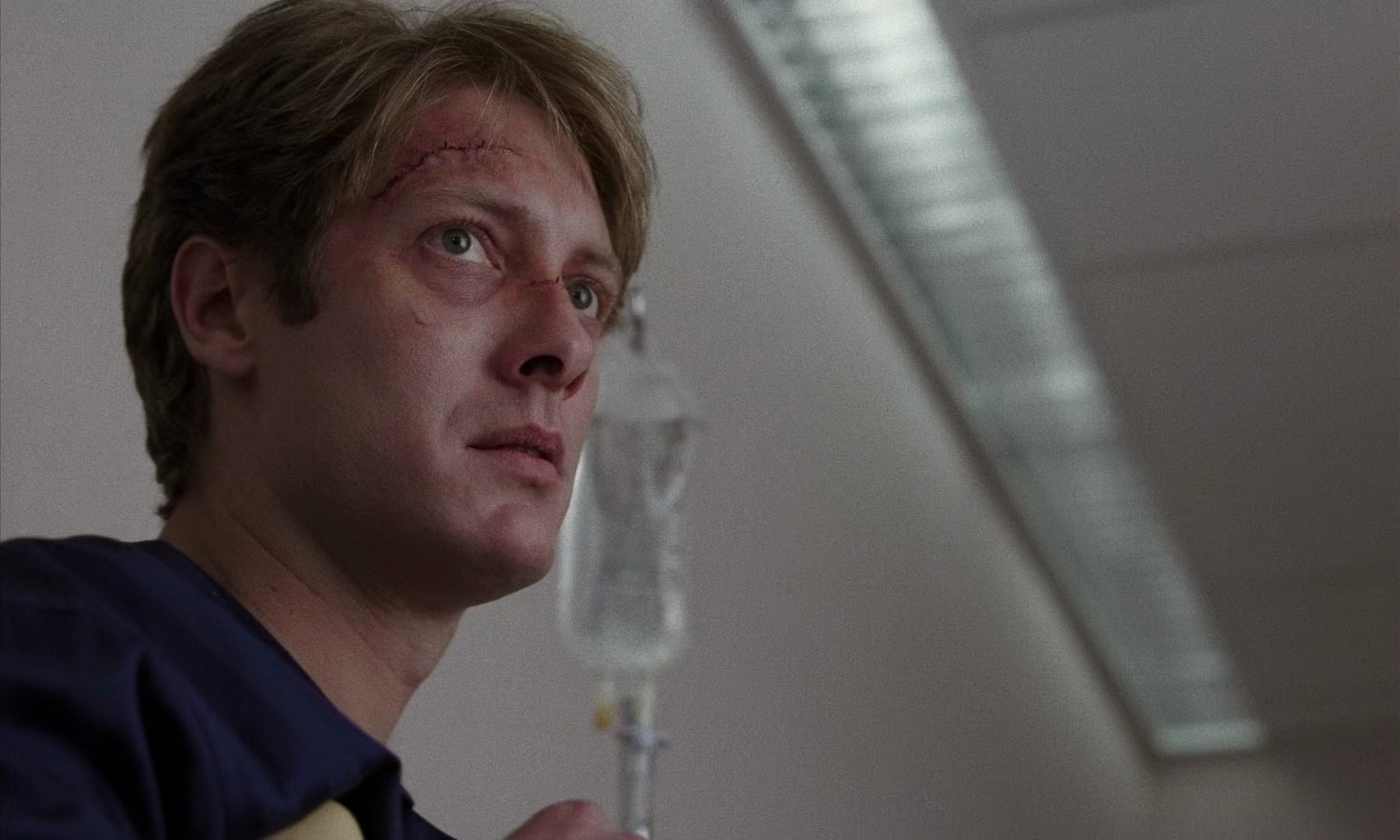
The movie was booed at the Cannes Film Festival.Credit: New Line Cinema
That patchwork reaction meant the film was not banned everywhere, but it did become one of the most talked-about censorship cases of the 1990s.
The whole situation raised a familiar question: where should the line be drawn between disturbing art and material that some people believe should not be shown?
For some critics, the film was not dangerous so much as unpleasant. For others, its mix of sex, wounds, and car crashes felt like it crossed a moral line.
So what exactly was in this movie that caused such a strong response from viewers, critics, newspapers, and local authorities?
The movie in question is “Crash,”, a film about a married couple in an open relationship who have become numb and dissatisfied with their sex lives.
The story changes after one of them survives a serious car crash and develops a strange arousal linked to the accident.
From there, the couple are pulled into a group of people who share the same extreme fascination, turning wrecked cars, scars, danger, and injury into part of their sexual world.
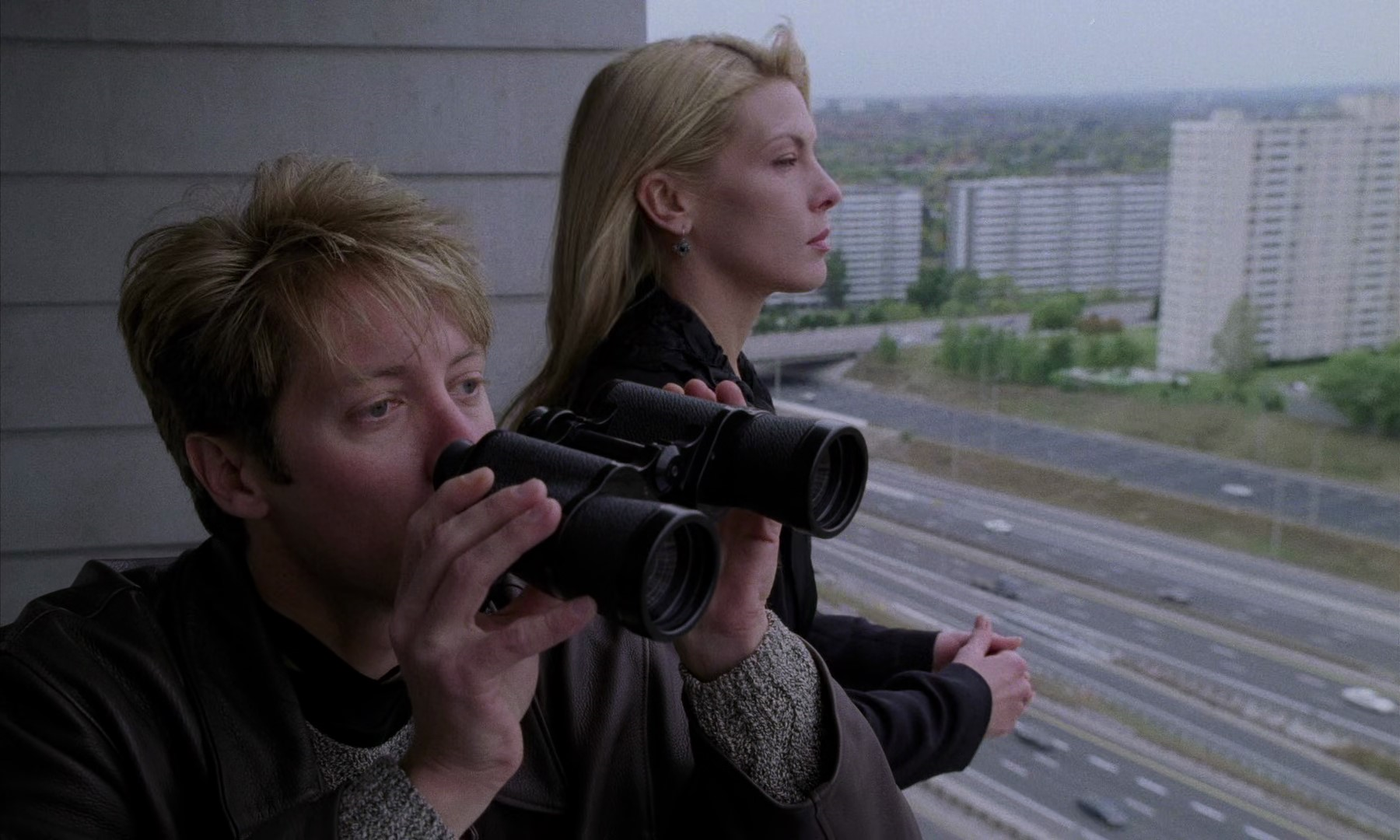
Credit: New Line Cinema
The plot is not built around romance in any normal sense. Instead, it follows people who seem drawn toward risk, pain, and death because those things make them feel something again.
That idea alone was enough to disturb many viewers, but the film’s blunt presentation made the reaction even stronger.
Cronenberg filmed much of it in a detached, almost cold way, which made the sexual material feel less like titillation and more like a study of people losing themselves inside a fixation.
“Crash” became notorious because of its explicit sex scenes, its violent imagery, and the way it linked erotic desire to car crash injuries.
One of the most shocking scenes shows a man engaging sexually with a woman’s leg scar, which she received in a car accident. It is the kind of moment that explains why many people found the film so hard to watch.
The movie’s later scenes push the idea even further, suggesting that for some of these characters, the ultimate thrill may be to die in a crash. That extreme theme is a major reason the film became so divisive.
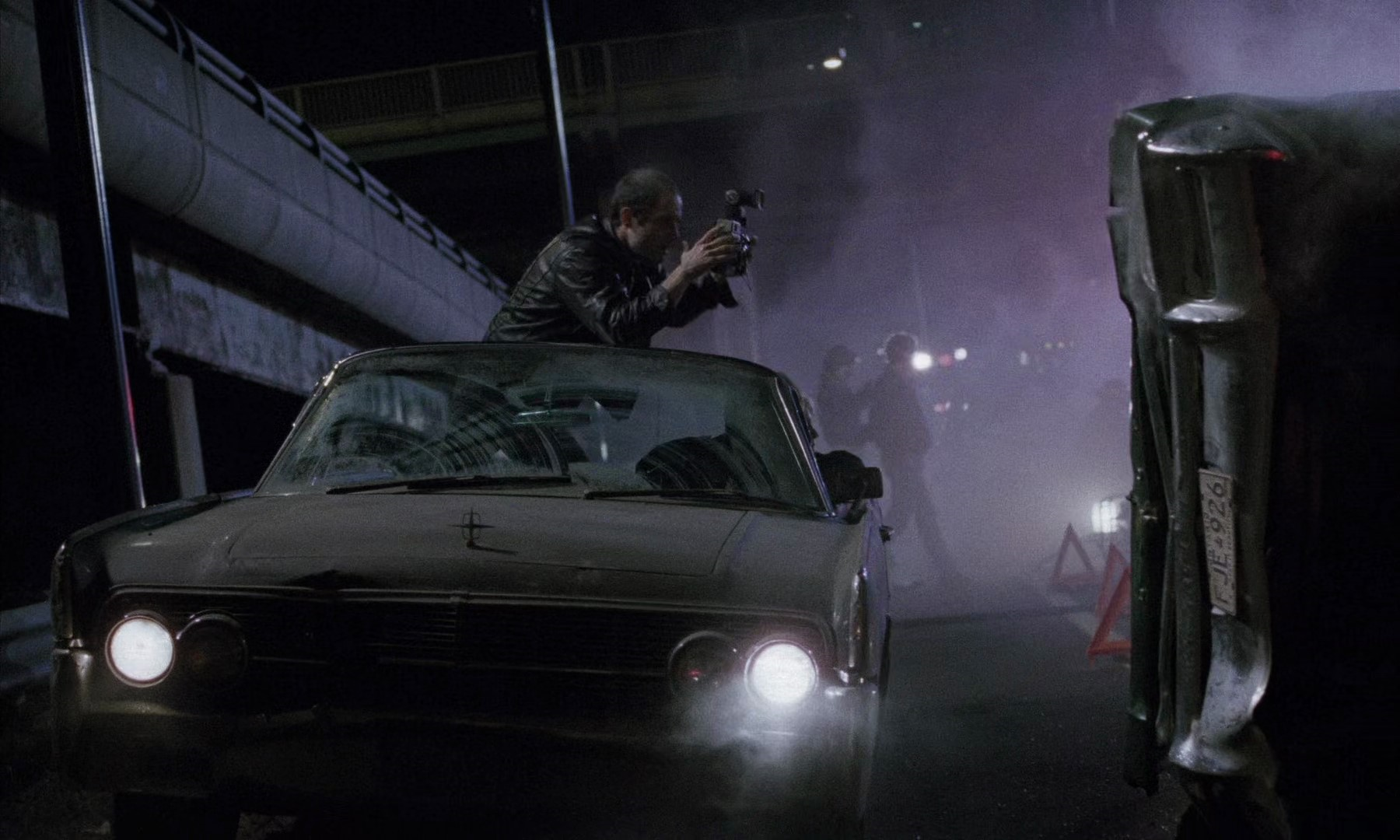
The film follows people who are turned on by car crashes.Credit: New Line Cinema
It was not just a graphic film; it was a film that asked audiences to sit with a desire most people would rather not think about at all.
Even with the public outrage and the campaign against it, the film was never completely banned across the UK, though it did face local restrictions.
Roger Ebert, one of the most respected film critics of the time, gave the movie serious attention rather than writing it off as shock for shock’s sake. In his review, he described “Crash” as “challenging, courageous, and original,” and called it a “strange and insightful dissection of the mechanics of pornography.”
That did not mean he found it easy or enjoyable. His reaction captured the strange space the film occupied: respected by some as daring cinema, but rejected by others as deeply unpleasant.
Ebert respected the film’s nerve, even though he admitted, “I admired it, although I cannot say I ‘liked’ it.”
“Crash” remains one of those movies that splits people sharply. Some see it as a brave and original piece of cinema, while others see it as graphic, cold, and needlessly disturbing.
For anyone curious about the controversy, “Crash” still stands as a major example of how far filmmakers can push audiences, and how quickly a movie can become part of a much bigger argument about art, sex, censorship, and public taste.