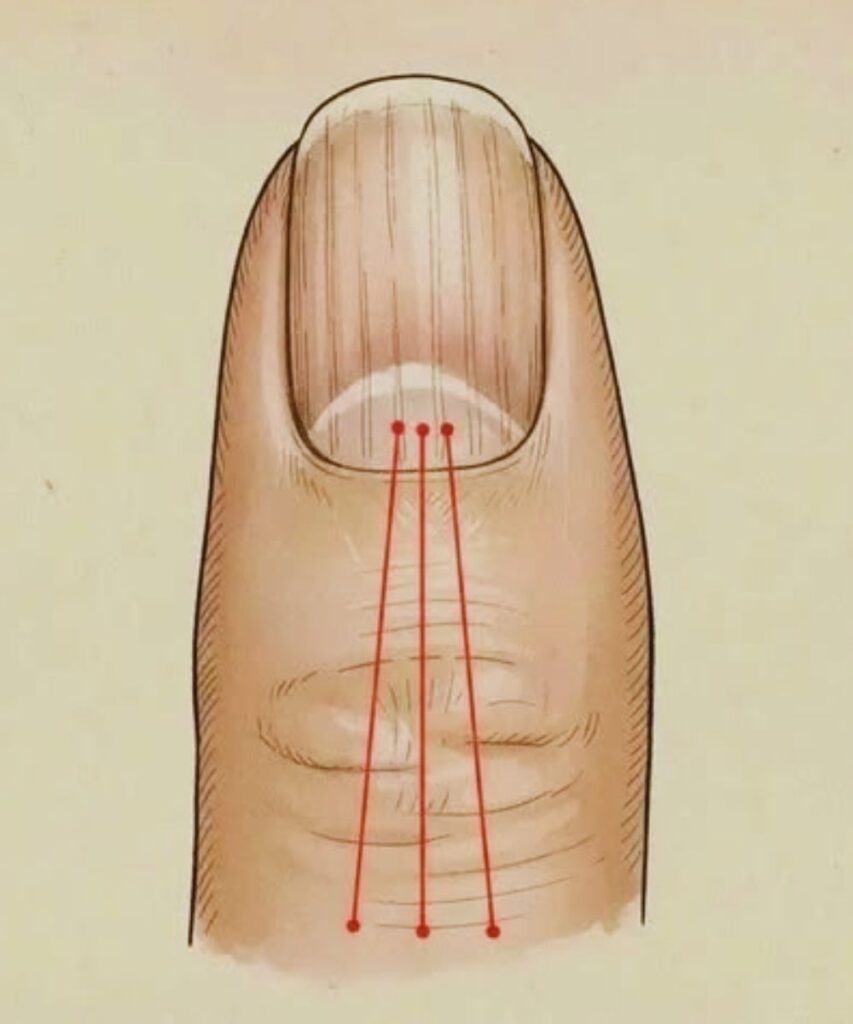
These markings can appear for many different reasons, ranging from skin-related conditions to a lack of essential nutrients. In this article, we’ll help you understand what these lines may indicate and why they shouldn’t be ignored.
Looking after your nails goes beyond appearance; it also plays a role in maintaining overall health. Changes in the nails can sometimes signal underlying issues within the body.
One of the most frequently observed changes is the appearance of ridges. While they are usually harmless, these lines may act as clues pointing to internal health concerns or nutritional imbalances.
Research published in the Indian Dermatology Online Journal suggests that ridges on fingernails tend to provide more useful information than those on toenails. Let’s explore why these lines develop and what steps you can take to address them.
Why do nail lines form?

There are multiple causes behind nail ridges. They may result from skin conditions like eczema or atopic dermatitis, or from deficiencies in nutrients such as protein, calcium, zinc, or vitamin A. The direction and depth of the lines are key factors in identifying their cause.
Vertical lines
These ridges run from the base of the nail to its tip. They are quite common, especially in older individuals, as the rate of cell regeneration slows down with age. This slowdown affects how new cells replace older ones on the nail surface.
However, if these ridges appear along with other changes—such as discoloration or rough texture—it may point to a deeper issue. For instance, trachyonychia can cause nails to become uneven, brittle, and discolored. Iron deficiency anemia is another condition often linked to vertical ridges, sometimes accompanied by nails that curve inward, creating a spoon-like shape.
Horizontal lines

Horizontal indentations, known as Beau’s lines, are typically more serious. They can interrupt normal nail growth and often indicate that the body has experienced a significant health disruption.
These lines may be associated with conditions such as kidney disease. When they appear across all fingernails and toenails, they could suggest illnesses like mumps, thyroid disorders, diabetes, or syphilis. Studies published in Acta Haematologica also note their presence in patients undergoing chemotherapy.
In addition, physical injury to the nail can lead to red or brown spots beneath the surface. It’s important not to mistake these marks for signs of more serious conditions like endocarditis or melanoma. In such cases, dark shades—such as deep brown, black, or red—should be carefully monitored.